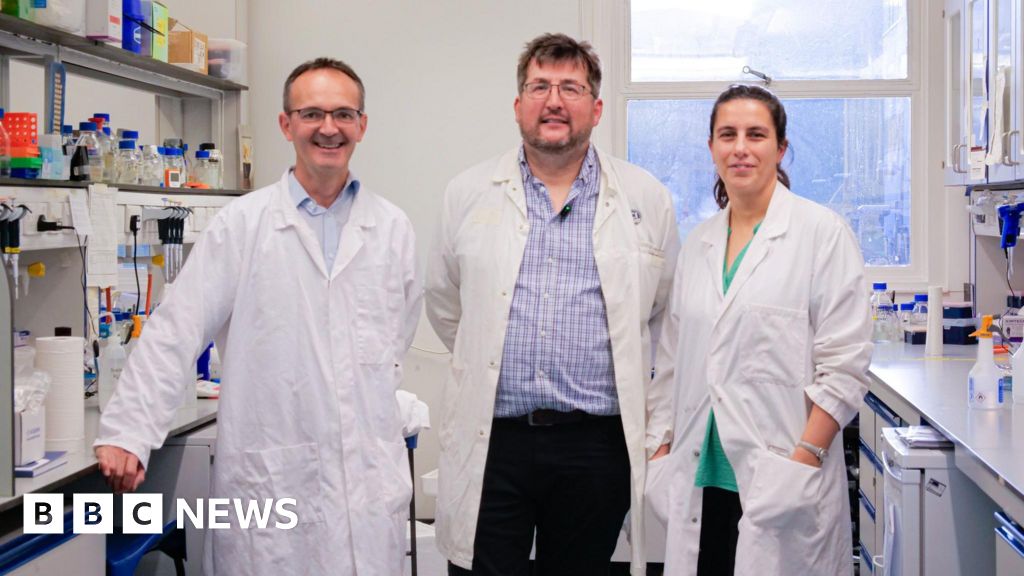
Photo: bbc.com
Warwick Scientists Unearth New Antibiotic to Combat Superbugs Like MRSA
Scientists from the University of Warwick and Monash University have discovered a new antibiotic, pre-methylenomycin C lactone, that shows promise against drug-resistant bacteria like Methicillin-resistant Staphylococcus aureus (MRSA).
- The compound, pre-methylenomycin C lactone, is over 100 times more effective than its parent antibiotic, methylenomycin A, highlighting its potential in combating antimicrobial resistance.
- Collaboration between the University of Warwick and Monash University led to the discovery, emphasizing the importance of international research in addressing drug resistance.
- The research is particularly significant for treating infections caused by Vancomycin-resistant Enterococcus and Methicillin-resistant Staphylococcus aureus, both of which pose severe health risks.
Why It Matters
This discovery is crucial in the fight against antimicrobial resistance, which threatens global health by rendering existing antibiotics ineffective. The emergence of stronger antibiotics like pre-methylenomycin C lactone could revolutionize treatments for resistant bacterial infections.