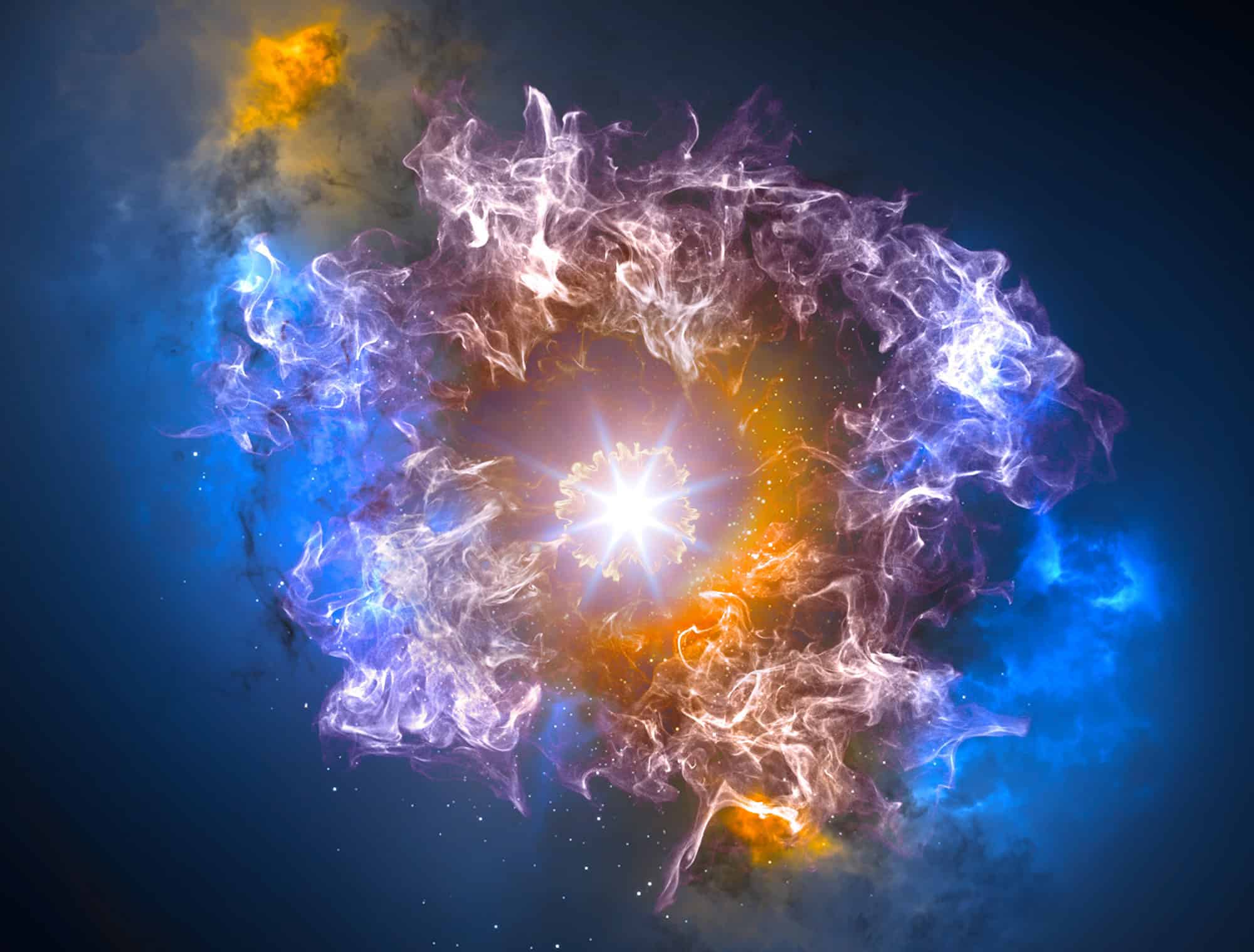
Photo: olhardigital.com.br
The most 'pristine' star in the universe discovered by astronomers
Astronomers have discovered SDSS J0715-7334, the most pristine star in the universe, revealing insights into the conditions following the Big Bang.
- The star, identified as SDSS J0715-7334, exhibits extremely low metallicity, indicating it formed from primordial hydrogen and helium shortly after the Big Bang.
- Led by astronomer Alexander Ji at the University of Chicago, this discovery is part of the ongoing research derived from the Sloan Digital Sky Survey.
- SDSS J0715-7334s unique characteristics suggest it formed before the first supernova explosions, which significantly altered the chemical composition of the Milky Way.