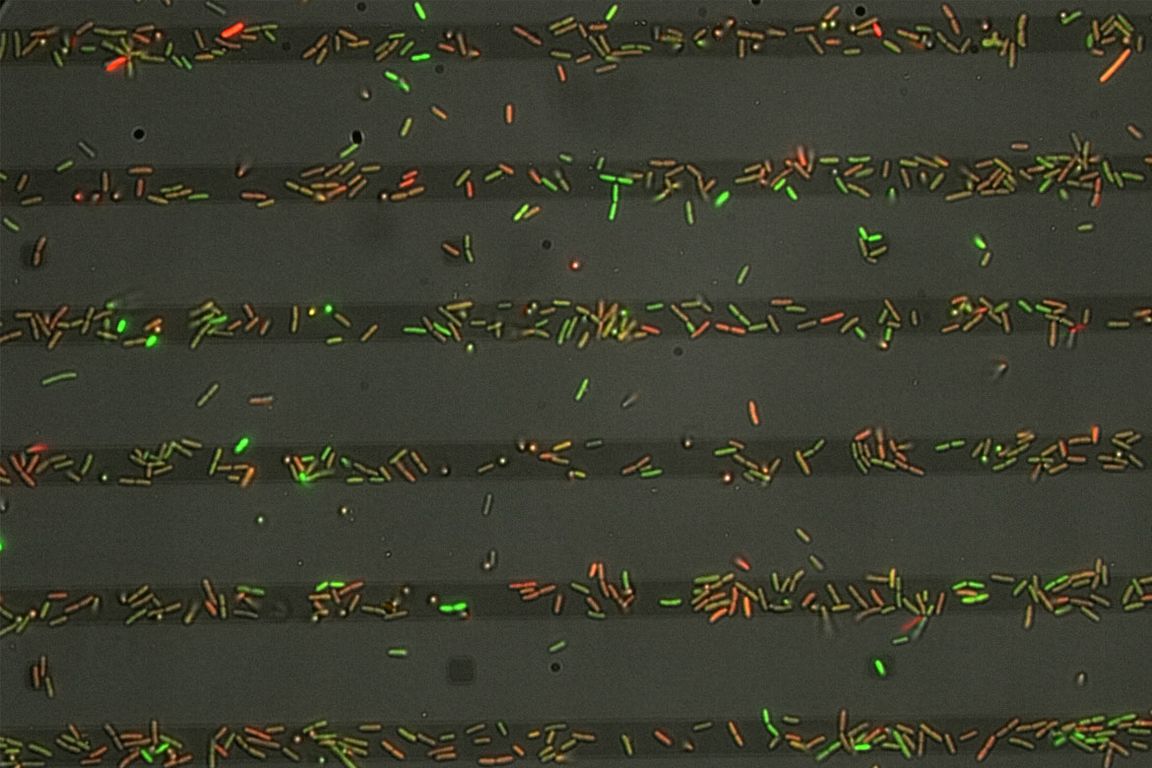
Photo: newsroom.ucla.edu
"New Insights on Bacterial Clustering Could Transform Infection Treatments"
New research on the clustering of Pseudomonas bacteria reveals potential breakthroughs in treating infections, particularly for patients with cystic fibrosis and those on ventilators.
- Researchers from the University of California, Los Angeles have uncovered how Pseudomonas aeruginosa bacteria form biofilm communities, leading to more effective treatment strategies.
- The study highlights the role of pilus structures in the adhesion of Pseudomonas to surfaces, facilitating the formation of resistant biofilm layers that complicate infection treatments.
- This discovery could significantly impact the health of cystic fibrosis patients and hospitalized individuals on ventilators, whose lives are often threatened by persistent bacterial infection.
Why It Matters
This research is pivotal as it not only addresses critical health challenges related to Pseudomonas infections in vulnerable populations but also opens avenues for industrial solutions where biofilm issues persist, underscoring the importance of microbial management.