Photo: economictimes.indiatimes.com
NASA's X-59 Jet Achieves Historic Supersonic Flight with Reduced Noise Impact
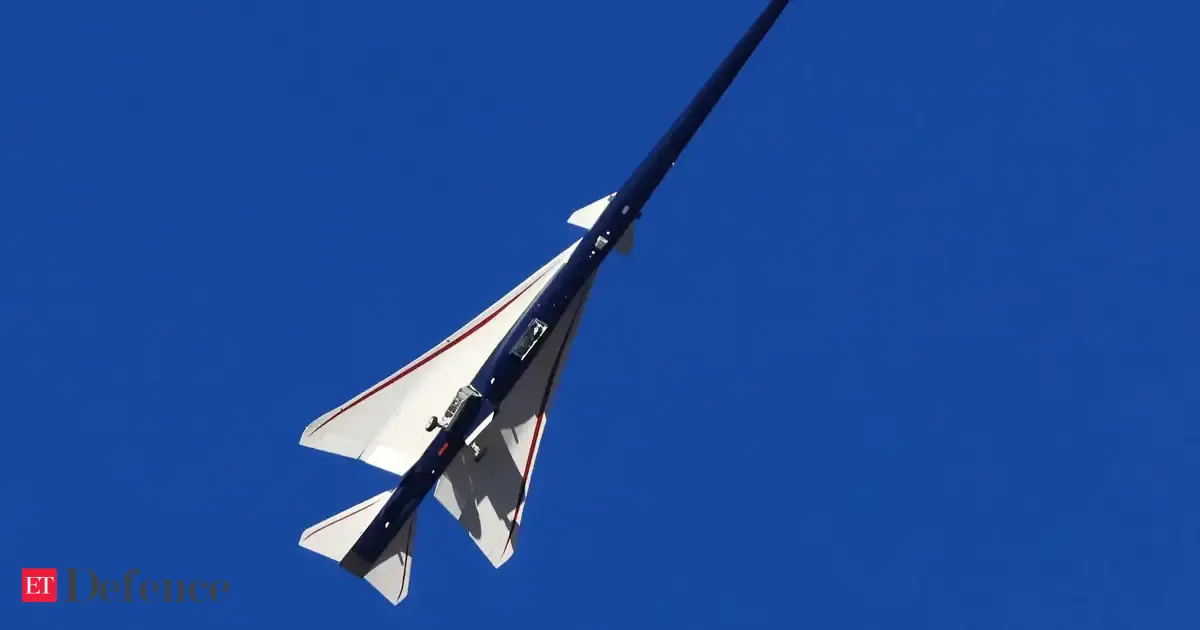
NASAs X-59 jet achieved its first successful supersonic flight, marking a pivotal advancement in quieter air travel by producing a sonic thump rather than a disruptive boom.
- On a historic test flight over Palmdale, California, NASAs X-59 supersonic aircraft demonstrated its ability to fly at supersonic speed while significantly reducing noise impact.
- The flight, which is part of a $518 million project involving Lockheed Martins Skunk Works, aims to pave the way for future commercial supersonic travel in the United States.
- By replacing the traditional sonic boom with a quieter sonic thump, NASA hopes to address noise restrictions that have previously hindered supersonic flight over populated areas.
Why It Matters
This successful flight not only represents a technological breakthrough for NASA and Lockheed Martin but also has implications for the future of air travel, potentially allowing airlines to offer faster flights without the noise limitations that currently exist.