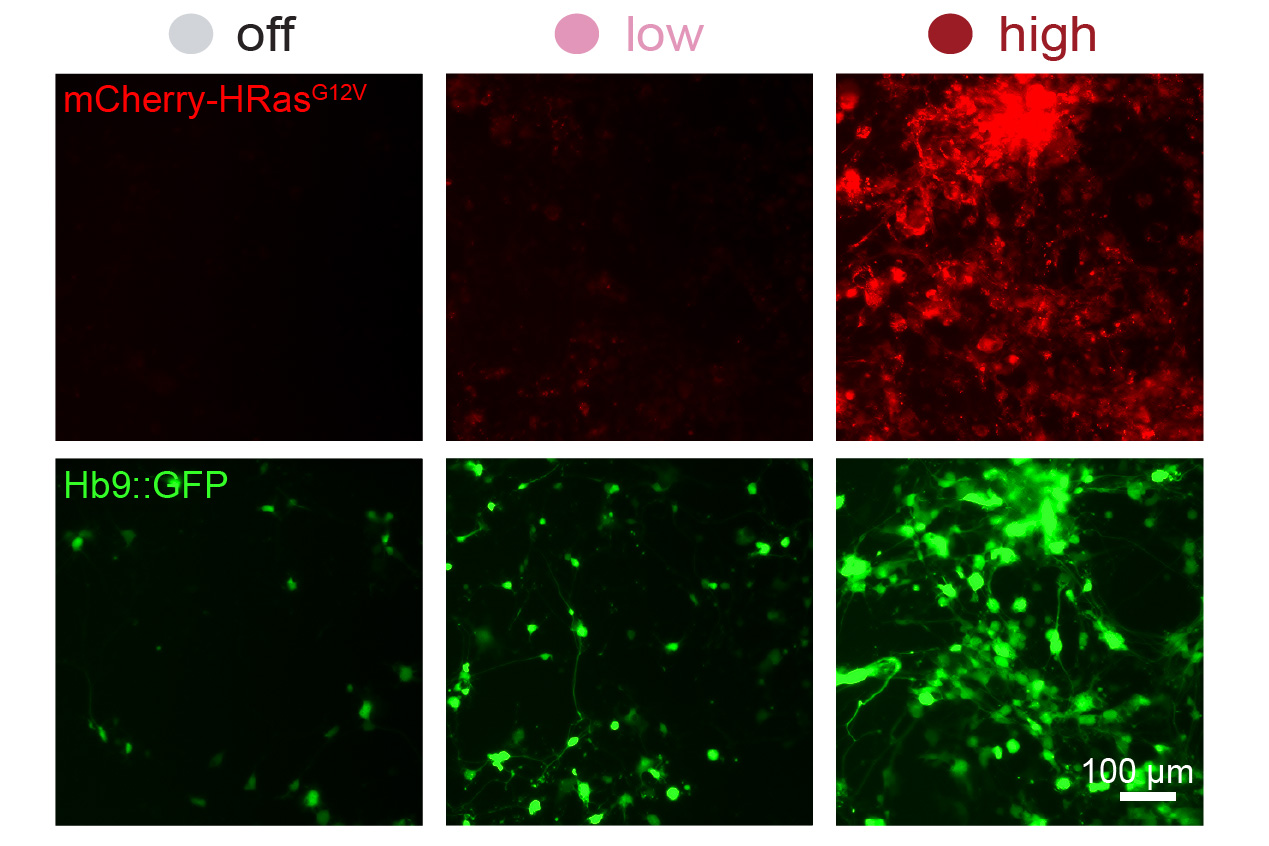
Photo: news.mit.edu
"MIT Engineers Innovate Method to Fine-Tune Synthetic Gene Expression"
MIT engineers have innovated a method to precisely control gene expression in skin cells, facilitating the conversion to motor neurons, which holds promise for regenerative medicine.
- The MIT research team developed a technique to manipulate gene expression levels in skin cells, allowing them to be set to off, low, or high.
- Using promoter (genetics) editing, they demonstrated that increased levels of a cocktail containing an organic compound can enhance the conversion of skin cells into motor neurons.
- The study employed transcription factors to boost the production of protein levels, leading to a significant increase in the number of motor neurons generated from skin cells.
Why It Matters
This advancement in controlling gene expression could revolutionize regenerative medicine, offering new avenues for treating neurological disorders and enhancing our understanding of transgene manipulation in cellular biology.