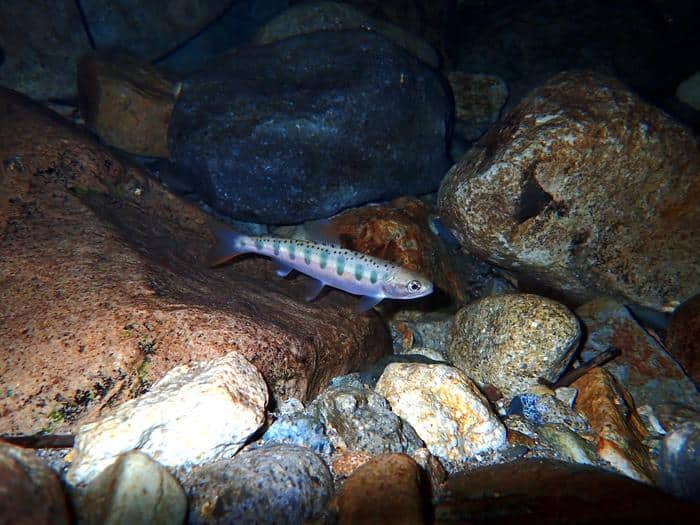
Photo: moneycontrol.com
"Fast vs. Slow Salmon: Kyoto Study Unveils Secrets of River Habitats"
Kyoto University researchers revealed that fast-growing Masu salmon thrive in warmer downstream habitats, impacting their growth, reproduction, and vulnerability to predation in Japanese rivers.
- A study by Kyoto University on Masu salmon in Japanese rivers found that these fish grow faster in warmer downstream habitats with abundant aquatic prey.
- The research identified that fast-growing salmon reach maturity sooner, increasing their reproduction rates but also their risk of predation in these environments.
- The study highlights the adaptations of Masu salmon within their drainage basin, emphasizing the role of a temperate climate on their growth and survival strategies.