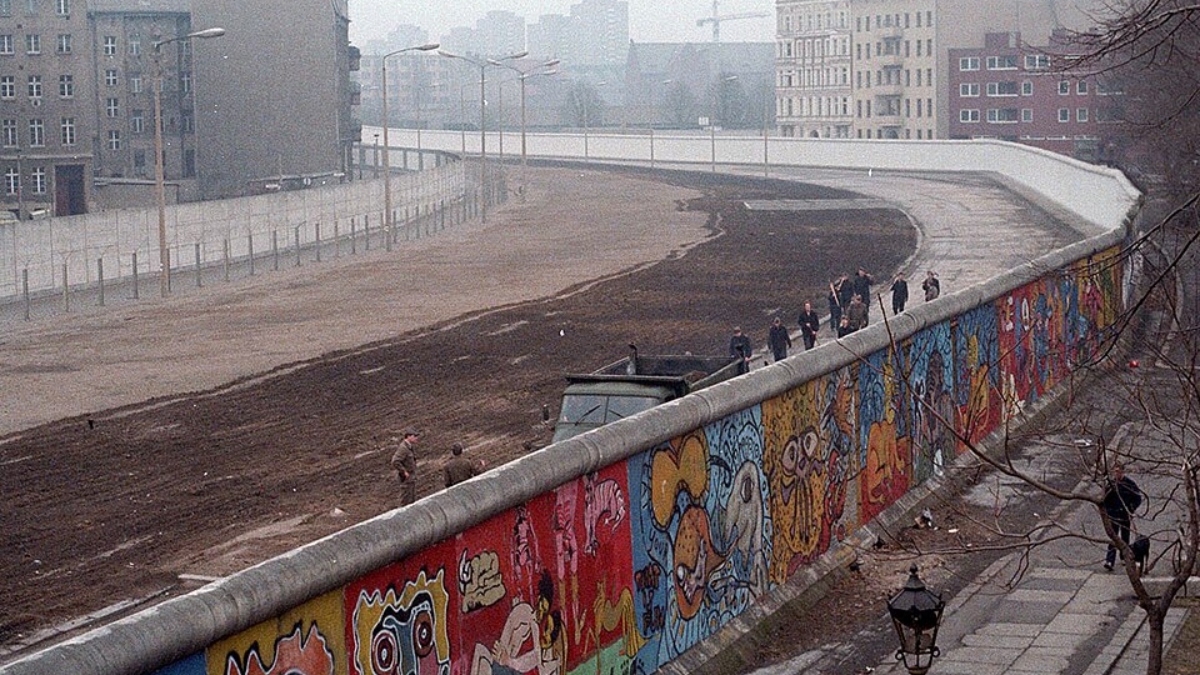
Photo: indiatvnews.com
Berlin Wall's Fall: A Defining Shift in the Global Political Landscape
The opening of the Berlin Wall on November 9, 1989, marked a pivotal moment in history, signaling the decline of Communism in East Germany and the rise of Democracy in Europe.
- The Berlin Wall, erected by East Germany in 1961, divided East Berlin and West Berlin, symbolizing the ideological divide of the Cold War.
- On November 9, 1989, the Berlin Wall was opened for the first time, allowing citizens from East Berlin to freely enter West Berlin and marking a significant shift in European geopolitics.
- The fall of the Berlin Wall catalyzed the collapse of Communism in Eastern Europe, ultimately leading to the reunification of Germany and the end of the Cold War.
Why It Matters
The fall of the Berlin Wall reshaped the global political landscape, representing a triumph of Democracy over Communism and prompting a wave of democratic movements across Eastern Europe.